Choosing an over-the-counter acne cleanser can feel overwhelming with so many formulas. This guide highlights five well-regarded OTC cleansers that target excess oil, clogged pores, and breakouts. Each product features proven ingredients like benzoyl peroxide or salicylic acid, plus skin-supporting components. Read on to compare key benefits and find the right fit for your routine.
Summary of selected products:
- Diffferin Acne Face Wash with 10% Benzoyl Peroxide – Maximum strength, fast-acting antibacterial action
- AcneFree Oil-Free Cleanser – Benzoyl peroxide 2.5% with glycolic acid, fragrance-free
- CeraVe Acne Control Cleanser – 2% salicylic acid with ceramides, niacinamide, clay
- CeraVe Acne Foaming Cream Wash – 10% benzoyl peroxide with hydrating ingredients
- Cetaphil Gentle Clear Pore Cleansing Gel – 2% salicylic acid, gentle formulation for sensitive skin
Differin Acne Face Wash With Benzoyl Peroxide
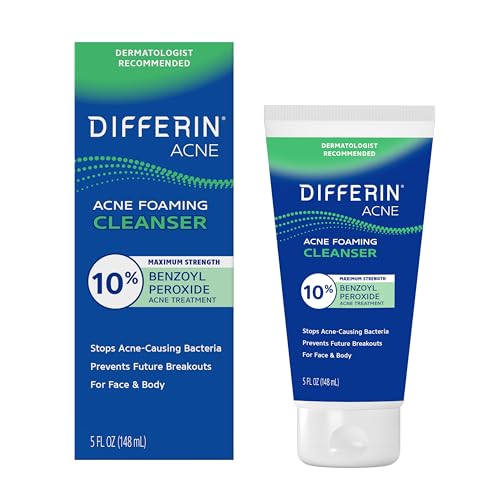
Differin offers a maximum-strength OTC benzoyl peroxide formula designed to start working quickly against acne-causing bacteria. The 10% concentration is higher than typical OTC products, which can help clear breakouts more rapidly for some users. The cleanser is formulated to continue preventing future breakouts while simplifying a twice-daily routine. Users should monitor for dryness or irritation and adjust use accordingly. This option suits those who need a strong, fast-acting treatment in a facial cleanser.
AcneFree Oil-Free Cleanser

This cleanser combines benzoyl peroxide at a moderate 2.5% with glycolic acid to address both active acne and future breakouts. It is fragrance-free, which can minimize irritation for sensitive or reactive skin types. The formula aims to penetrate pores and reduce oiliness while supporting skin hydration to prevent over-drying. It fits users seeking a balanced product that treats acne and promotes healthier skin texture without added scent.
CeraVe Acne Control Cleanser

This salicylic acid cleanser from CeraVe uses 2% salicylic acid to gently exfoliate, reduce blackheads, and minimize pores. It contains ceramides and niacinamide to maintain skin barrier health while absorbing excess oil with purifying clay. The foaming action helps cleanse thoroughly without leaving skin feeling tight. It is suitable for daily use by individuals with oily or acne-prone skin who want a hydrating yet effective wash.
CeraVe Acne Foaming Cream Cleanser

This product blends 10% benzoyl peroxide with hydrating ingredients like hyaluronic acid and niacinamide. The cream-to-foam formula provides a gentler cleansing experience while delivering maximum-strength acne fighting power. It’s designed to remove dirt and oil without overly drying the skin, making it a strong option for both face and body cleansing in acne-prone areas. Suitable for those who tolerate higher peroxide concentrations in their routine.
Cetaphil Gentle Clear Pore Clearing Acne Cleanser

Cetaphil’s Gentle Clear formula uses 2% salicylic acid in a foaming gel designed for sensitive, acne-prone skin. It emphasizes a non-stripping feel while treating breakouts and preventing new ones. The product is fragrance-free and paraben-free, aligning with a gentle approach that many sensitive users prefer. This cleanser is a reliable option for daily use within a broader skincare routine focused on barrier support.
La Roche-Posay Effaclar Medicated Gel Cleanser
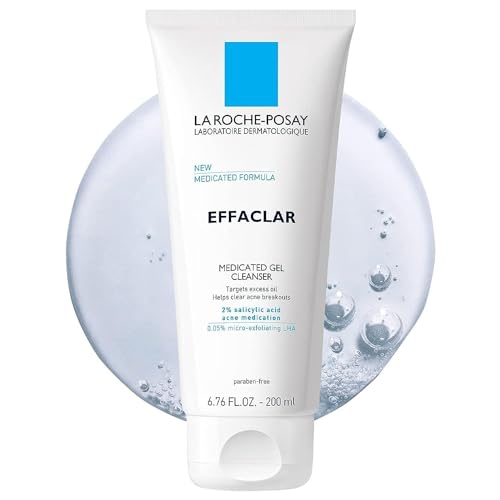
This La Roche-Posay gel cleanser combines 2% salicylic acid with LHA and glycerin to gently exfoliate and hydrate. It targets excess oil and helps prevent breakouts without harsh scrubbing. The foaming formula is designed for oilier skin types and can be part of a consistent regimen to reduce shine throughout the day while addressing blemishes and clogged pores. Clinically noted to reduce surface oil for ongoing control.
Buying Guide: Key Considerations for OTC Acne Cleansers
- Active ingredient and strength: Benzoyl peroxide provides powerful antibacterial action, while salicylic acid offers exfoliation and pore clearing. Higher concentrations may be more effective but can increase dryness; start with lower strengths if you have sensitive skin.
- Skin type compatibility: Choose fragrance-free formulas if you have sensitive or reactive skin. Consider ceramides, niacinamide, or glycerin to support barrier health and hydration.
- Formulation and texture: Cream-to-foam cleansers can balance cleansing with moisture; gels can feel lighter and less irritating for oily skin. Body wash variants with benzoyl peroxide can address body acne effectively, but ensure the product is suitable for facial use if applying to the face.
- Oil control vs. moisturizing balance: Look for oil-absorbing technology or clay components for oil control, paired with humectants or ceramides to avoid over-drying.
- Daily use and tolerance: Start with once-daily use and gradually increase to twice daily if tolerating well. Monitor for redness, peeling, or excessive dryness and adjust use or switch products as needed.
- Additional skincare steps: For best results, pair cleansers with non-comedogenic moisturizers and sun protection during the day. Avoid combining incompatible acids or exfoliants aggressively in a single regimen.
- Target area considerations: Some products are formulated for face and body use; ensure you follow label directions for any non-face applications to prevent irritation in sensitive areas.
In summary, the five selected OTC cleansers provide a spectrum of strengths and formulations to support different skin types and acne concerns. Users should align choice with their skin sensitivity, oil level, and preference for fragrance-free or barrier-supporting ingredients. Regular use within a broader skincare routine is key to sustainable improvement in acne-prone skin.