Keratosis pilaris (KP) patients often seek moisturizers that both hydrate deeply and gently exfoliate rough, bumpy skin. This guide highlights top products designed to soften and smooth KP-affected areas on the body, from arms to legs. Each option emphasizes ceramides, alpha/beta hydroxy acids, and barrier-supporting ingredients to support healthier, more even skin over time.
Summary of chosen products:
| Product | Brand | Key Benefit | Texture | Target Area |
|---|---|---|---|---|
| CeraVe Moisturizing Cream with Salicylic Acid | CeraVe | Exfoliates and moisturizes dry KP-prone skin | Rich, non-greasy | Body (legs, arms) |
| AmLactin KP Bumps Be Gone | AmLactin | 15% lactic acid for resurfacing and hydration | Creamy, lightweight | Body |
| CeraVe SA Lotion for Rough & Bumpy Skin | CeraVe | SA + HA + ceramides for smoothing and barrier support | Lightweight lotion | Body |
| La Roche-Posay Lipikar AP+ Triple Repair | La Roche-Posay | 3-action repair for barrier, microbiome, and lipids | Rich, non-greasy | Body |
| Bliss Body Butter Texture Takedown | Bliss | 10% AHA + hydrating emollients for KP texture improvement | Butter-cream | Body |
CeraVe Moisturizing Cream With Salicylic Acid

This non-sealed body moisturizer gently exfoliates to soften rough, dry KP-affected areas. It combines salicylic acid and lactic acid for exfoliation with hyaluronic acid to lock in moisture, plus niacinamide to calm skin. The formula has a rich, velvety texture that absorbs quickly without a greasy finish, making it suitable for legs and upper arms.
AmLactin KP Bumps Be Gone

AmLactin’s KP Bumps Be Gone is a therapeutic body cream featuring 15% lactic acid to exfoliate and hydrate in one step. It’s designed to soften rough KP bumps without scrubbing, supporting skin renewal and smoother texture. Dermatologist-recognized status adds an evidence-backed layer for many users with KP or dry skin challenges.
AmLactin Daily Nourish 12% Lactic Acid Lotion

AmLactin Daily Nourish delivers 12% lactic acid for daily exfoliation and hydrating moisture. This no-scrub formula supports healthy skin renewal, providing smoother skin with regular use. It’s positioned for broad skin types, including those dealing with dry areas alongside KP considerations.
CeraVe SA Lotion For Rough & Bumpy Skin

This lightweight lotion blends salicylic and lactic acids to exfoliate while hyaluronic acid preserves moisture and niacinamide calms. Fragrance-free and allergy-tested, it’s designed for body use and can be paired with cleansing routines for rough KP areas on the legs and arms.
La Roche-Posay Lipikar AP+ Triple Repair
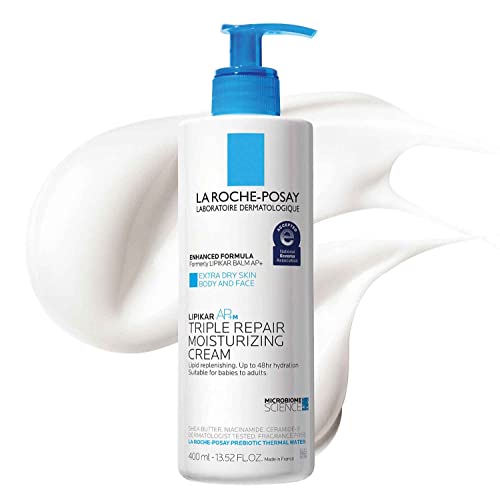
This repair cream targets dry, rough skin with a tri-action approach, focusing on barrier restoration, microbiome balance, and lipid replenishment. It offers a rich, non-greasy finish and is suitable for both body and facial use in some cases, supporting long-lasting hydration for KP-prone skin.
Gold Bond Rough & Bumpy Daily Skin Therapy

This 8 oz tub combines seven moisturizers and three vitamins to help condition skin affected by KP. It aims to smooth rough patches on arms and legs and is a practical, widely available option for daily KP care in a family skincare routine.
Bliss Body Butter Texture Takedown

Bliss Texture Takedown combines 10% AHA with squalane and shea butter to exfoliate and moisturize, targeting KP texture on arms and legs. The unscented formula is suitable for sensitive skin and those avoiding fragrance, while providing ongoing hydration and smoother surface feel.
First Aid Beauty KP Smoothing + Brightening

This KP-targeted lotion features 10% AHA and lactic acid for resurfacing, plus urea and colloidal oatmeal for soothing hydration. It’s designed to reduce KP bumps and improve skin tone, with a peachy scent that some users find appealing. It supports daily use for smoother, more even skin texture.
Buying Guide: Key Purchase Considerations
- Exfoliation balance: KP care often relies on AHAs or BHAs to remove dead skin cells. Consider formulations with lactic or salicylic acids at levels that match your sensitivity and routine needs (higher percentages for active KP, lower for daily use).
- Moisturizer base: Creamy, non-greasy lotions help with everyday wear, while richer creams provide longer-lasting hydration for very dry areas. Pick based on climate, activity, and skin type to avoid feeling greasy.
- Barrier support: Ceramides, niacinamide, and glycerin help restore the skin barrier, reducing transepidermal water loss and improving resilience against KP triggers.
- Fragrance and sensitivity: Fragrance-free or hypoallergenic options are preferable for sensitive skin or KP-related irritation. Always check allergy-tested labels if sensitivity is a concern.
- Multi-purpose vs. targeted treatment: Some products combine barrier repair with exfoliation in a single step, while others separate routine steps. Decide whether you want a simpler routine or a more targeted, aggressive approach.
- Dermatologist recommendations: For persistent KP, consider products backed by dermatological guidance or those specifically labeled for keratosis pilaris to ensure suitability for long-term use.
- Skin type and environment: In dry, cold climates, richer formulations may be preferred; in humid areas, lighter lotions with adequate moisture can prevent a greasy feel while still addressing KP texture.
- Usage pattern: Begin with once-daily application and monitor tolerance. If irritation occurs, reduce frequency or switch to a fragrance-free option with milder acids.
All featured products target KP-related roughness by combining hydration, gentle exfoliation, and barrier-supporting ingredients. When choosing, consider your skin type, sensitivity, and how aggressively you want to address texture over time.