| Product | Brand | Notes |
|---|---|---|
| Fractionated Coconut Oil 16 Fl Oz | Handcraft Blends | Lightweight, fragrance-free carrier ideal for oily skin |
| Organic Jojoba Oil 4oz | Cliganic | Similar to skin’s natural oils, non-clogging |
| USDA Organic Jojoba Oil 8oz | Handcraft Blends | Cold-pressed, hexane-free |
| Fractionated Coconut Oil 16 Oz | PURA D’OR | Non-greasy, easily absorbed |
| Fractionated Coconut Oil 16 Oz | Majestic Pure | Long shelf life, versatile uses |
For those with oily or combination skin, selecting the right carrier oil can balance moisture without clogging pores. The following oils are non-greasy, fast-absorbing, and compatible with most essential oil blends. Each option below highlights why it may suit oily complexions, offering a range from single-ingredient jojoba to fractionated coconut oils that stay light on the skin.
Handcraft Blends Fractionated Coconut Oil

Fractionated coconut oil is a lightweight option that absorbs quickly, leaving a non-greasy feel. This Handcraft Blends formula is 100% pure, fragrance-free, hexane-free, preservative-free, and vegan, making it suitable for sensitive oily skin. Its silky texture helps moisturize without clogging pores, which is essential for people who experience shine or breakouts from heavier oils. It can be used as a base for essential oil blends, a massage oil, or a daily skin moisturizer. While it may not provide heavy emollience, its rapid absorption can help maintain a balanced complexion and prepare the skin for subsequent products in a skincare routine. This oil is also touted for hair and scalp benefits, but its primary appeal for oily skin is hydration without oiliness, helping to reduce the appearance of dryness that can trigger overproduction of sebum.
Cliganic Organic Jojoba Oil 100% Pure
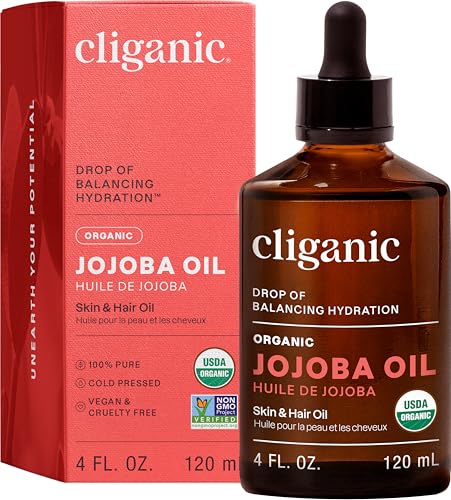
Jojoba oil closely mirrors the skin’s natural sebum, which helps regulate oil production and minimizes the risk of clogged pores. Cliganic offers a 100% pure, single-ingredient jojoba oil that’s certified organic, hexane-free, and free from synthetic additives. For oily skin, jojoba can act as a gentle, balancing moisturizer that won’t feel heavy once absorbed. This makes it suitable for morning and evening routines, especially when paired with a lightweight moisturizer or sunscreen. Users commonly apply a few drops to the face or scalp to improve hydration without creating a greasy after-feel. While it is excellent for oil control, it may require using a small amount to avoid residue on very oily skin.
Handcraft Blends USDA Organic Jojoba Oil

This jojoba oil is USDA organic and cold-pressed to retain nutrients. Its lack of additives aligns with clean beauty preferences, and the oil’s texture is designed to hydrate without a heavy feel. For oily skin, jojoba’s balance helps control shine while providing essential nutrients that support skin barrier function. Regular use may help soften flaky patches caused by over-cleansing while reducing the appearance of slickness throughout the day. The oil absorbs relatively quickly, but as with any product, patch testing is recommended to ensure compatibility with your skin’s unique chemistry.
PURA D’OR Organic Fractionated Coconut Oil

Fractionated coconut oil from PURA D’OR is organic, fragrance-free, and easily absorbed, making it highly compatible with oily skin. Its fractionated process leaves mainly medium-chain triglycerides, which feel lighter on the skin and help prevent a greasy residue. The pump bottle design supports minimal contact and makes it easy to apply a controlled amount. This oil works well as a base for DIY serums, makeup removal, or post-shower hydration. It can be used to dilute essential oils for sensitive areas. While not providing intense moisturization, it supports a clean, non-oily complexion when used as part of a balanced routine.
Majestic Pure Fractionated Coconut Oil

Majestic Pure offers a fractionated coconut oil that is odorless, clear to a light yellow, and non-greasy. Its long shelf life and easy wash-out make it practical for daily use on oily skin, as a massage base, or a hair care component. This oil is designed to remain liquid at room temperature, avoiding the solidification issues of traditional coconut oil. The product highlights emphasize versatility—from face and body moisturizer to lip balm or shampoo additive—yet for oily skin, its primary advantage is its lack of heaviness and quick absorption. External-use safety notes are standard; users with sensitive skin should perform a patch test prior to broad application.
Buying Guide: Choosing The Right Carrier Oil For Oily Skin
Key purchase considerations for oily skin include absorption rate, comedogenic potential, scent, and how the oil interacts with other products in your routine. The following comparisons help navigate common options:
- Fractionated Coconut Oil: Light, non-greasy feel; ideal as a base or primer before makeup. Best for layering with serums and light moisturizers. Watch for personal sensitivity, though it’s generally well-tolerated.
- Jojoba Oil: Biocompatible with skin’s natural oils; helps balance sebum production and can reduce shine over time. Choose cold-pressed, hexane-free varieties for purity and fewer additives.
- Grapeseed Oil (when applicable): Light, quickly absorbed, and rich in vitamins; supportive for oil control and skin texture. Ensure it’s hexane-free and unperfumed if you have sensitivity to fragrances.
- Organic/Cold-Pressed Claims: USDA organic and cold-pressed oils preserve nutrients and reduce chemical exposure. These factors are important for people with reactive or sensitive oily skin.
- Formulation And Use: For acne-prone or sensitive skin, fragrance-free and preservative-free options reduce irritation risk. Decide whether you want a multipurpose oil (face, hair, body) or a targeted facial moisturizer.
Practical tips for oily skin users include applying a small amount of oil only after a lightweight serum and sunscreen, using a blotting paper to monitor shine, and avoiding heavy oils in areas prone to breakouts. Patch testing remains essential when trying a new oil, especially if you have sensitive or reactive skin. When combined with essential oils, always dilute and conduct a brief test on a discrete area to prevent adverse reactions. Consider your climate and seasonal skin needs; lighter, non-greasy oils often pair better with humid climates and active lifestyles.